
About the author
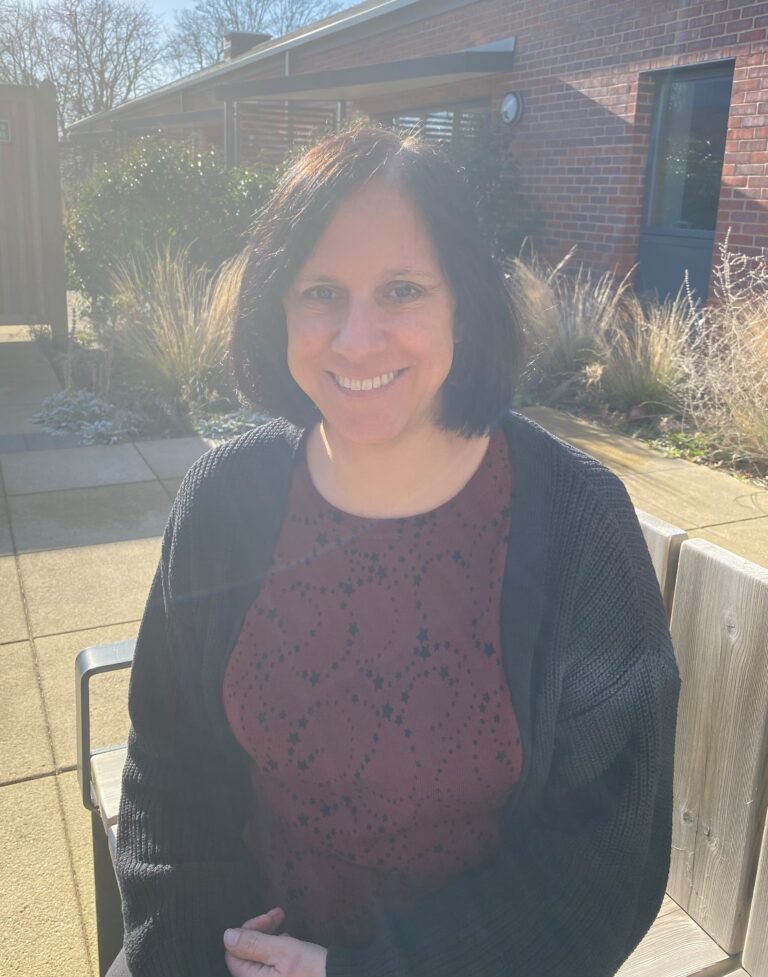
Sarah Bunce is a qualified and accredited counsellor with the BACP, with over 16 years’ experience. She is the Adult Counselling Service Lead at Havens Hospices, where she leads both the Adult Counselling Service and Lightwell Counselling Service, alongside supporting clients and delivering training.
Talking about death isn’t something most of us feel comfortable doing. It can feel awkward, emotional or even unnecessary – especially when we’re well. But avoiding these conversations altogether can lead to regret later.
As a counsellor working across both hospital and hospice settings, I’ve supported many people at the end of life and those who are grieving. A common theme I hear is this: people often wish they had talked about dying sooner. They worry they avoided the conversation because it felt too difficult at the time.
Equally, I’ve worked with people who did have those conversations. Even when they were challenging, they often brought reassurance and a sense of peace, knowing they understood their loved one’s wishes.
The best time to talk about dying is when you’re still fit and well. It might feel counterintuitive, but these conversations are often easier when they aren’t shaped by illness or crisis. There’s more space to think clearly, to ask questions, and to listen without the weight of immediate emotion.
Starting the conversation doesn’t have to be complicated. It can begin with a simple, open question like:
“Have you ever thought about where you’d want to be cared for if you became seriously unwell?”
or
“Have you thought about what you’d want to happen after you die?”
These questions may feel direct, but they open the door to understanding what matters most to the people we love. Having these discussions early means that if circumstances do change, families aren’t left guessing or second-guessing important decisions.
Where and how you have these conversations can also make a difference. Some people prefer a quiet, private space where they feel safe to talk openly. Others find it easier to talk side by side, for example on a walk, where the conversation can feel less intense than sitting face to face.
There’s no perfect way to approach it, and it’s normal to feel unsure. But avoiding the conversation altogether carries its own risks. Leaving things unsaid can add to the emotional weight of grief later on.
Dying Matters Awareness Week encourages us to be more open about death, dying and grief. It’s not about having all the answers, but about being willing to start the conversation.
If you are struggling with grief or bereavement, you don’t have to manage it alone. Havens Hospices’ Lightwell Counselling Service offers support for adults coping with the death of a loved one providing a safe space to talk and process what you’re going through. To find out more or access support, please visit www.lightwellcounselling.com
Published 7th May 2026