
Currently used across the UK for adults, EPaCCS is recognised as the ‘Gold Standard’ for capturing data for patients with palliative care needs. However, there is nothing that exists for babies, children and young people who similarly have palliative care needs.
This pilot project will ensure that all professionals involved in a child’s care—across hospitals, community services, GPs and hospice teams—have access to the same up-to-date information, allowing for joined-up, responsive and compassionate care.
Dr Sarah Zaidi, Clinical Lead for End of Life Care at NHS Mid and South Essex, said “We are so pleased to be working with Little Havens Hospice to deliver this programme which will help to proactively support babies, children and young people, and their families with their palliative and end of life care needs. This digital care coordination platform will help to streamline coordination of care across agencies and improve the experiences of care for families and younger people when they need it most.”
This project marks a significant step forward in paediatric palliative care and has the potential to be rolled out nationally, helping to shape the future of care for children with complex needs across the UK.
The benefits to families are significant, including faster access to symptom management, reduced repetition of medical history, and a clearer, more coordinated care journey. This also marks a huge step forward in reducing health inequalities and improving access to care.
The register does not mean a child is nearing the end of their life, nor does it predict how long the child will live. Children’s health can be unpredictable, and being on the register highlights that they can benefit from support from specialist paediatric palliative care services.
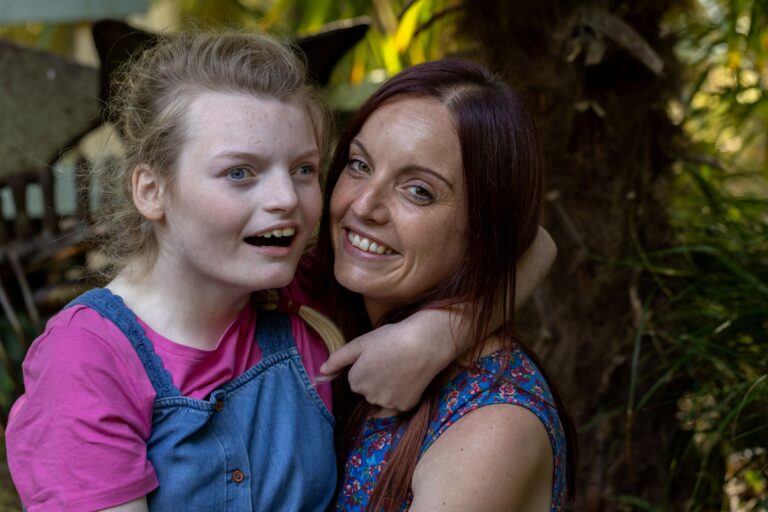
One family who could have benefited from this system is Megan and her daughter Alex, who had a referral to Little Havens, only when they “reached breaking point.” Alex has a genetic chromosome condition called Angelman syndrome, which was diagnosed at just 13 months old. Initially, the family were told Alex wouldn’t need hospice care, but her condition declined over a period of years, and they began running out of medication options.
The family came to Little Havens in November 2021. Megan said, “My friend used the hospice, so I’d always known about it. But coming here meant we jumped worlds – we’d always been part of the disability community, and coming to Little Havens feels like we’re part of something different now. I used to have imposter syndrome because Alex had never previously met the threshold of needing to use the hospice. Medical professionals would sometimes brush us off when we asked those questions.”
“Coming to Little Havens is the only time I can fully breathe and relax. I genuinely don’t know where we would have turned without Little Havens when we’d reached that crisis point in 2021. During Alex’s life, I’ve had to shout and fight for support. It’s exhausting. Having Little Havens – a place that is safe and kind, means everything. It’s the opportunity to feel a little bit normal.”
To find out more about the children’s palliative care register and how Healthcare professionals can refer a child or young person visit https://www.havenshospices.org.uk/refer/childrens-palliative-care-register/
Published 8th January 2026